Gangotri Yamunotri Yatra: Complete Guide with Itinerary, Packing List, Route Stops & Mistakes to Avoid
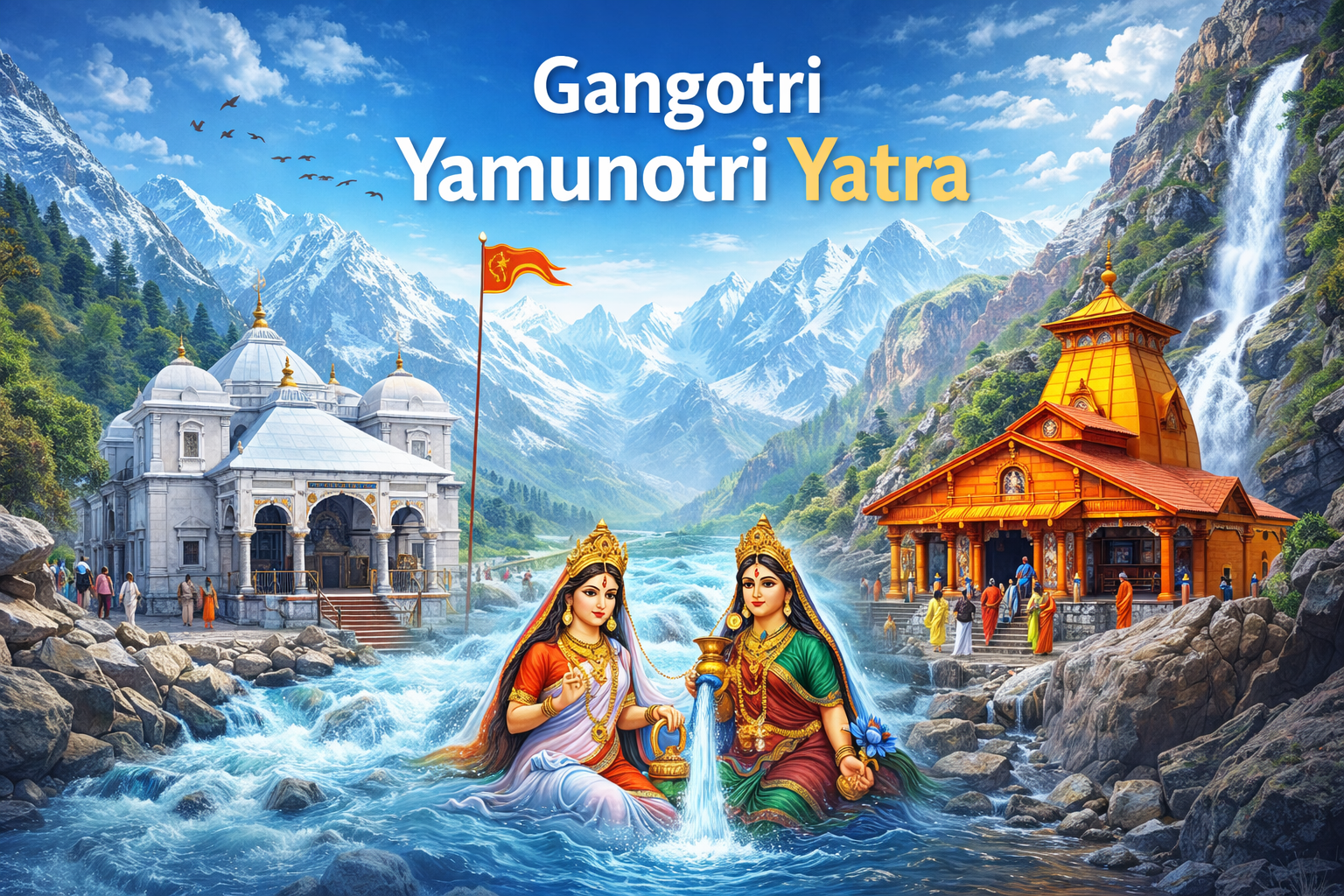
The Gangotri and Yamunotri yatra is one of the most spiritually enriching journeys in India. These two sacred shrines are part of the revered Himalayan pilgrimage circuit and attract thousands of devotees every year seeking blessings and inner peace.
Located in the beautiful mountains of Uttarakhand, the temples are dedicated to Goddess Yamuna and Goddess Ganga. Pilgrims travel through scenic valleys, ancient towns, and sacred riverbanks to reach these holy sites.
For first-time pilgrims, planning the Gangotri and Yamunotri yatra can feel overwhelming. You need to understand the route, travel time, packing essentials, and important stops along the way.
This complete guide will help you plan the journey smoothly with a clear itinerary, packing checklist, route details, and common mistakes to avoid.
Overview of Gangotri and Yamunotri
The pilgrimage covers two sacred shrines located in the Garhwal Himalayas of Uttarakhand.
- Yamunotri Temple – Source of the Yamuna River and the first stop in the Char Dham pilgrimage.
- Gangotri Temple – Sacred temple dedicated to Goddess Ganga.
Pilgrims usually visit Yamunotri first and then travel to Gangotri. Together, Gangotri and Yamunotri form the starting segment of the Char Dham circuit.
| Temple | Altitude | Deity | Special Significance |
| Yamunotri Temple | 3,293 m | Goddess Yamuna | Origin of Yamuna River |
| Gangotri Temple | 3,100 m | Goddess Ganga | Origin of River Ganga |
These sacred destinations are also part of the larger pilgrimage route often referred to as Gangotri, yamunotri, kedarnath & badrinath, covering all four Char Dham temples.
Best Time for the Gangotri and Yamunotri Yatra
The temples remain open only for about six months each year due to heavy snowfall.
| Season | Months | Travel Conditions |
| Summer | May – June | Best time for pilgrimage |
| Monsoon | July – August | Landslides possible |
| Autumn | September – October | Clear weather and fewer crowds |
| Winter | November – April | Temples closed |
Most pilgrims prefer May-June and September-October for the Gangotri and Yamunotri yatra because the weather remains relatively stable and roads are accessible.
Distance Between Gangotri and Yamunotri
Many pilgrims wonder about the travel distance between the two temples.
The Gangotri and yamunotri distance by road is approximately 230–250 km, depending on the route taken. Because the roads pass through mountainous terrain, the journey usually takes 8-10 hours.
Similarly, the Yamunotri to gangotri distance includes winding hill roads, river valleys, and forest sections, making the journey scenic but time-consuming.
Suggested 5-6 Day Itinerary
Planning your journey day by day helps reduce travel fatigue and allows you to enjoy the Himalayan landscapes.
Day 1: Arrival in Haridwar or Rishikesh
Pilgrims usually begin their journey from either
Haridwar or Rishikesh.
Activities for the day:
- Hotel check-in
- Temple visit or Ganga Aarti
- Travel briefing for the yatra
This is where most travelers begin the Gangotri and Yamunotri yatra from Rishikesh .
Day 2: Rishikesh – Barkot
Distance: ~180 km
Travel Time: 7-8 hours
Route stops include:
- Mussoorie
- Kempty Falls
- Naugaon Valley
Barkot serves as the base town for visiting Yamunotri.
Day 3: Barkot – Yamunotri – Barkot
Travel to Janki Chatti, the last motorable point.
From here pilgrims trek 5-6 km to reach the sacred Yamunotri dham.
The trek options include:
- Walking
- Pony ride
- Palki
After darshan at the temple, return to Barkot for overnight stay.
Day 4: Barkot – Uttarkashi
Distance: ~100 km
Drive through mountain villages and forests to reach Uttarkashi, an important spiritual town known for temples and river ghats.
Many pilgrims pause here before continuing the Gangotri and Yamunotri yatra.
Day 5: Uttarkashi – Gangotri – Uttarkashi
Distance: ~100 km (round trip)
Route highlights include:
- Harsil Valley
- Bhagirathi River views
- Apple orchards
Visit the sacred Gangotri Temple and spend time near the riverbank before returning to Uttarkashi.
Day 6: Return Journey
Pilgrims return to:
- Haridwar
- Rishikesh
- Dehradun
This completes the Gangotri and Yamunotri yatra.
Major Route Stops You Should Not Miss
The Himalayan route is filled with beautiful towns and spiritual landmarks.
| Stop | Why Visit |
| Mussoorie | Scenic hill station views |
| Barkot | Base town for Yamunotri trek |
| Uttarkashi | Spiritual center with ancient temples |
| Harsil Valley | One of the most beautiful valleys in Uttarakhand |
These stops make the Gangotri Yamunotri yatra not just a pilgrimage but also a memorable mountain journey.
Packing List for the Yatra
Weather in the Himalayas can change quickly, so packing properly is essential.
Clothing
| Item | Why Needed |
| Warm jackets | Cold mountain temperatures |
| Thermal wear | Night temperatures drop |
| Comfortable trekking shoes | Essential for Yamunotri trek |
| Raincoat | Sudden rainfall possible |
Essential Travel Items
| Item | Purpose |
| Personal medicines | High altitude discomfort |
| ID proofs | Registration requirements |
| Sunscreen and sunglasses | High UV exposure |
| Power bank | Limited electricity in remote areas |
Packing wisely will help make the Gangotri and Yamunotri yatra more comfortable.
Travel Options for Pilgrims
There are multiple ways to reach the starting points of the pilgrimage.
By Air
Nearest airport:
Jolly Grant Airport.
From here, road travel continues toward the temples.
By Train
Major railway stations include:
- Haridwar
- Dehradun
By Road
Most pilgrims prefer road travel because it allows flexibility and sightseeing.
Many travelers choose Gangotri Yamunotri yatra by car because it provides comfort, especially for families and senior pilgrims.
There are also travel services available such as Rishikesh to Gangotri and Yamunotri Tempo Traveller Service, which are ideal for group journeys.
Common Mistakes to Avoid During the Yatra
Even experienced travelers sometimes make small mistakes while planning Himalayan pilgrimages.
Here are some common ones.
1. Underestimating Travel Time
Mountain roads are slow and winding. Always add buffer time in your itinerary.
2. Not Preparing for the Trek
The Yamunotri trek can be challenging for beginners. Physical preparation and proper footwear are important.
3. Ignoring Weather Conditions
Sudden rain or landslides can affect travel plans. Always check weather forecasts before continuing your Gangotri and Yamunotri yatra.
4. Overpacking
Heavy luggage makes travel difficult in hill areas. Pack only essentials.
5. Skipping Registration
Pilgrimage registration is mandatory for most Char Dham routes.
The char dham yatra gangotri yamunotri registration system helps authorities manage pilgrim safety and crowd control.
Spiritual Importance of the Journey
For many devotees, the pilgrimage represents purification and devotion.
The rivers Ganga and Yamuna are deeply connected with Hindu traditions and mythology. Visiting both temples allows pilgrims to seek blessings from these sacred river sources.
The journey is also considered the beginning stage of the gangotri dham yatra before continuing toward other shrines in Uttarakhand.
Beyond religion, the mountains offer peace, reflection, and a deep connection with nature.
Conclusion
The Gangotri and Yamunotri yatra is not just a religious pilgrimage, it is a spiritual journey through some of the most beautiful landscapes in the Himalayas. With proper planning, the right itinerary, and careful packing, the trip becomes safe, comfortable, and deeply fulfilling.
If you want a smooth and well-organized pilgrimage experience, professional travel support can make a big difference. For reliable planning, transportation, and customized packages, Bisht Tour and Travels can help you complete your sacred journey with ease and comfort.
FAQs
1. How to plan Gangotri and Yamunotri?
Start from Haridwar, Rishikesh, or Dehradun. Follow the route Barkot → Yamunotri → Uttarkashi → Gangotri. Plan a 5–6 day trip, complete registration, check weather updates, and arrange accommodation and transport in advance.
2. Is Yamunotri trekking difficult?
The Yamunotri trek is moderate in difficulty. It is about 5-6 km uphill from Janki Chatti. People with average fitness can complete it comfortably, and pony or palki options are available.
3. How much time does it take to climb Yamunotri?
The trek from Janki Chatti to Yamunotri usually takes 2-3 hours on foot, depending on pace and weather. Pilgrims using ponies or palkis may reach the temple faster.
4. Can Yamunotri be reached by car?
No, Yamunotri cannot be reached directly by car. The last motorable point is Janki Chatti. From there, pilgrims must trek about 5-6 km to reach Yamunotri Temple.
5. Is Kedarnath trek more difficult than Yamunotri?
Yes. The Kedarnath trek is generally more challenging. It is around 16-18 km long, while the Yamunotri trek is only about 5-6 km and easier for most pilgrims.
6. Can I go to Yamunotri without registration?
No, registration is mandatory for the Char Dham pilgrimage. Pilgrims must complete online or offline registration before visiting Yamunotri to ensure safety and proper travel management.
7. How much walking in Gangotri?
Very little walking is required at Gangotri. Vehicles reach close to the temple, and pilgrims only walk a short distance of about 300-500 meters to reach the temple entrance.
8. Where should I go first, Gangotri or Yamunotri?
Traditionally, pilgrims visit Yamunotri first and then Gangotri. This order follows the traditional Char Dham pilgrimage route and is considered spiritually significant.
9. Which city is closest to Yamunotri?
The nearest major town to Yamunotri is Barkot. Janki Chatti is the closest point accessible by road and serves as the base for the Yamunotri trek.
10. How far is Badrinath from Yamunotri?
Badrinath is approximately 420-450 km from Yamunotri by road. The journey usually takes 12-14 hours depending on route conditions and mountain road travel speed.
11. How much is a taxi from Gangotri to Yamunotri?
Taxi fares from Gangotri to Yamunotri typically range between ₹6,000 and ₹10,000 depending on vehicle type, travel season, and route conditions.
12. What are the palki charges in Yamunotri?
Palki charges for the Yamunotri trek usually range from ₹3,500 to ₹6,000 for a round trip. Prices may vary depending on distance, demand, and seasonal pilgrim rush.
13. How far is Kedarnath from Gangotri?
Kedarnath is roughly 450 km from Gangotri by road. Pilgrims usually travel via Uttarkashi, Rudraprayag, and Sonprayag before starting the Kedarnath trek.
14. What is the best time to visit Gangotri and Yamunotri?
The best time is from May to June and September to October. Weather remains pleasant, roads are accessible, and pilgrims can comfortably complete the yatra.
15. Do we need any special preparation for this Yatra?
Yes. Basic physical fitness, warm clothing, trekking shoes, medicines, and weather awareness are important. Advance bookings, travel planning, and registration help ensure a safe and comfortable pilgrimage.

All Categories
Recent Posts